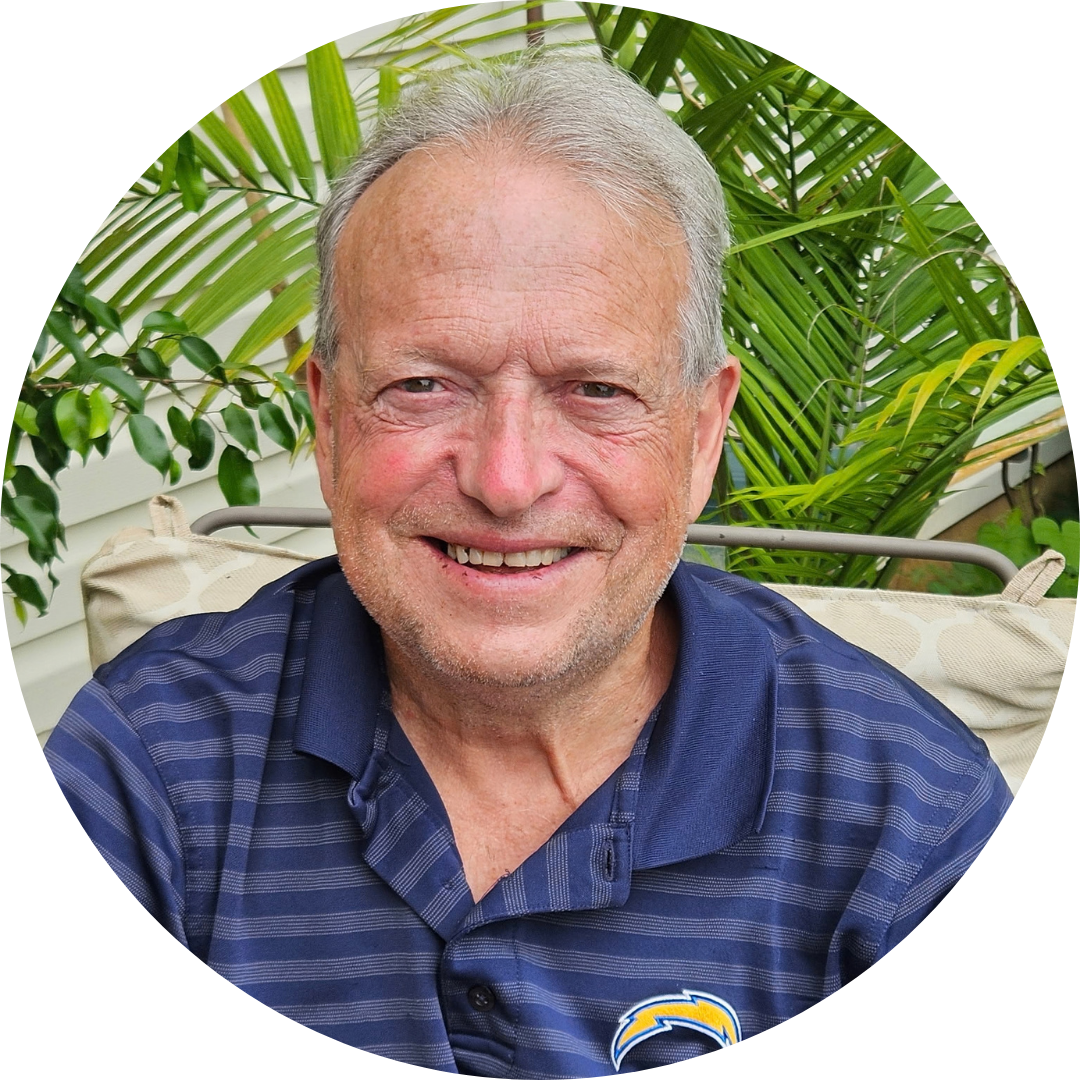
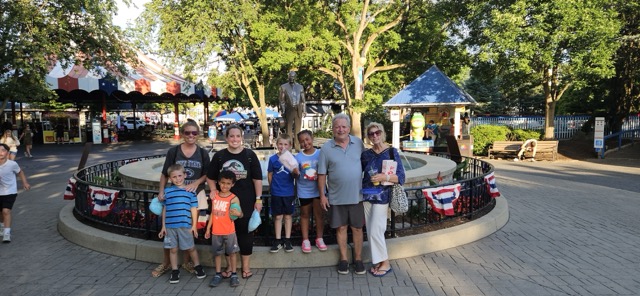
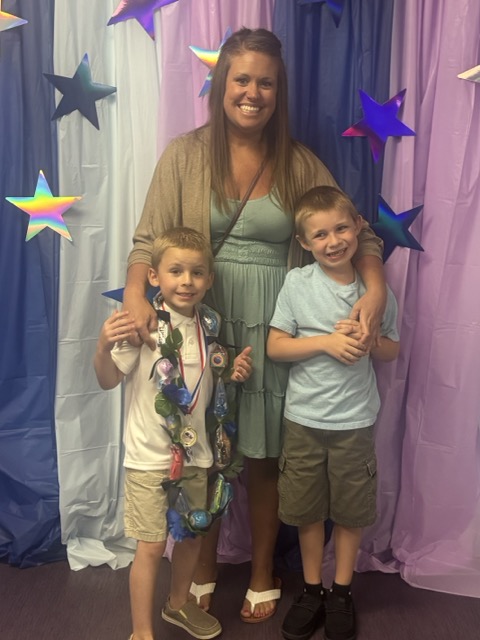
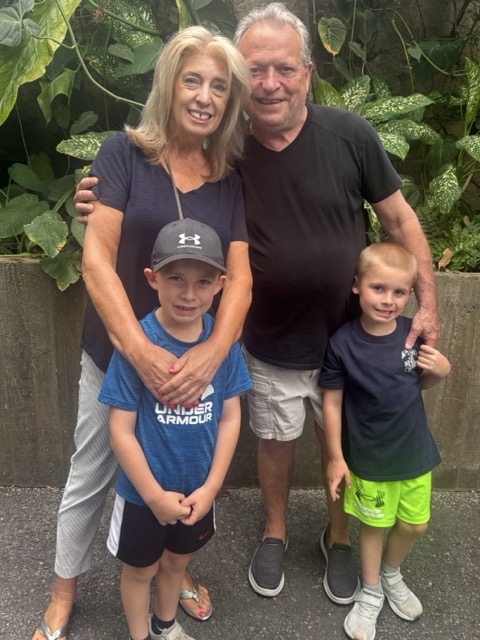
My name is Scott McCoy, and Hereditary Angioedema (HAE) has shaped my family's life for six generations. From my great grandfather, who died from an airway attack while working on his farm, to my two grandsons, who now have access to life changing treatments, I have witnessed just how far the HAEA community has come.
My Great Grandfather
Our family's story begins long before I was born.
My great grandfather died at just 36 years old after experiencing an airway swelling while planting crops on his farm. At the time, there was no understanding of HAE and no treatment available.
I also remember watching my grandfather live with the disease. When he was young and his face became severely swollen, he would be sent to the basement and left there until the swelling subsided. Food and water would be placed at the top of the stairs while he waited alone for the attack to pass. Looking back now, it is heartbreaking to think that isolation was once considered the best care available.
My Father
My father passed away from an airway attack at the age of 33. I was only 10 years old.
He knew he was in trouble and went to the hospital, where he was given epinephrine and then sent home. Just one hour later, he was pronounced dead on arrival after returning to the hospital.
It was the summer of 1967. Like most neighborhood kids, I spent my days riding bikes with my friends. The only rule was to be home before the streetlights came on.
That day, I was standing on the Letort Bridge in Carlisle, PA when an ambulance drove the wrong way up our street. One of my friends came racing toward me and shouted, "Scott, that was your dad in the ambulance."
That moment changed my life forever.
Not only did I lose my father, but I believe I subconsciously blocked many of the memories from that time. I remember very little from my elementary school years, and sadly, many of my memories of my dad disappeared with them.
Back then, very little was known about HAE. The condition was commonly referred to as angioneurotic edema because many believed the swelling was connected to a person's emotional or nervous state. My father visited an allergist every two weeks for allergy shots, treatments we now know could never have helped his condition.
When he became sick, he would disappear into another room with what our family simply called "the bucket." My mom would tap the ceiling with a broom handle to check on him, and he would knock back to let her know how he was doing.
The knock I remember most was four taps.
That meant he was ready for orange sherbet.
As a child, hearing those four knocks always made me smile because I knew two things: my dad was beginning to feel better, and I was about to get some orange sherbet too.
For generations, this was life with HAE. There were no medications. During attacks, we endured severe abdominal pain, vomiting every 20 minutes for up to 36 hours, and frequent trips to emergency rooms where very few healthcare providers had ever heard of HAE. If we were fortunate, we received IV fluids, medication for nausea, and pain relief.
My Turn
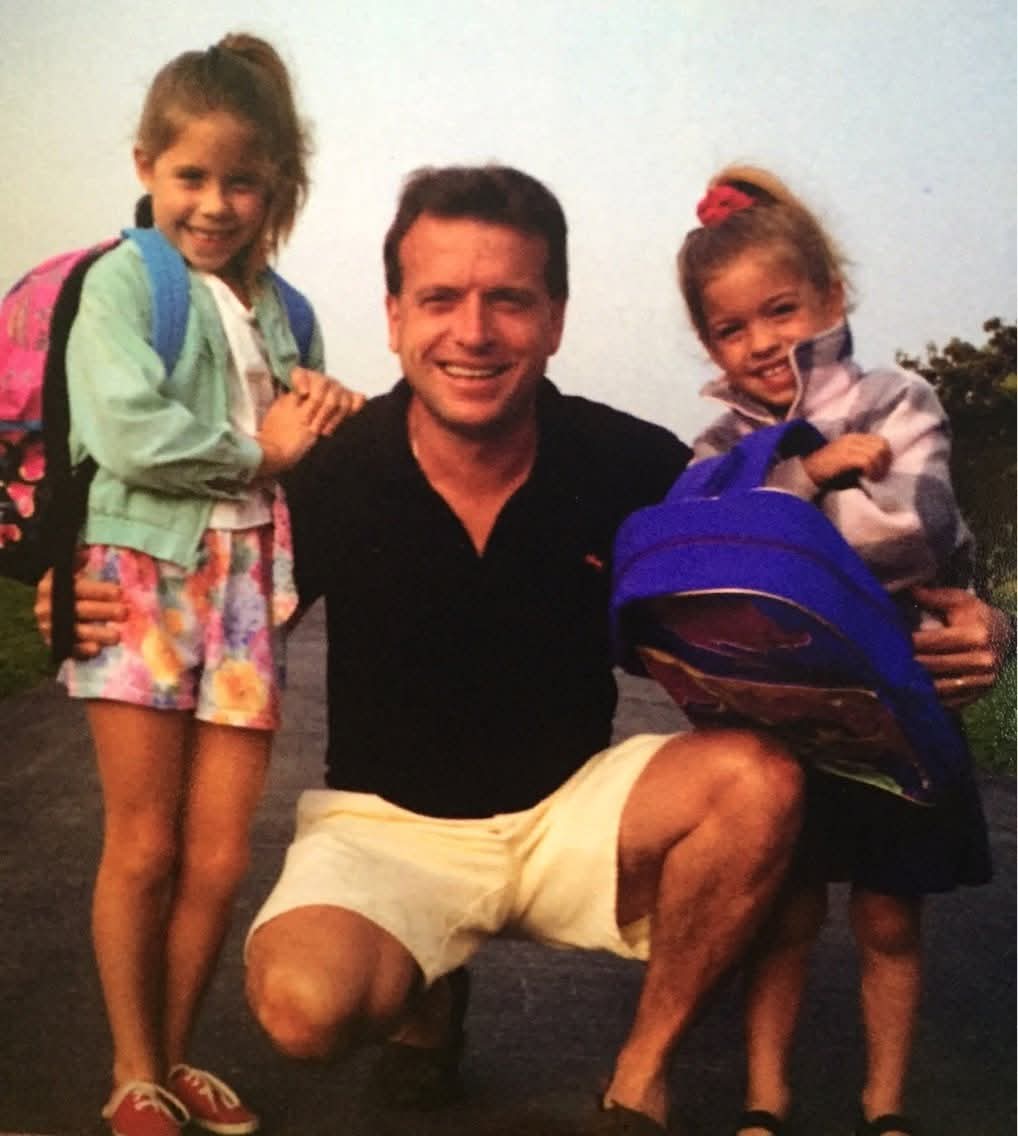
As I grew older, I played sports throughout high school and had never experienced an HAE attack. Then, at 18 years old, both of my hands suddenly swelled. Unlike many people living with HAE today, I immediately knew what was happening because I had watched generations of my family experience the same disease. Looking back, I also believe I lost a perfectly healthy appendix because what doctors thought was appendicitis was most likely an undiagnosed abdominal HAE attack.
Raising a Family
Our family did not pass down heirlooms. We passed down the bucket.
My wife, Vicki, and I have now been married for more than 43 years. Before starting a family, we understood there was a 50 percent chance we could pass HAE on to our children. Our oldest daughter, Taylor, inherited HAE. Our younger daughter, Courtney, did not. Taylor experienced her first attack when she was only seven years old. At that time, HAE testing was still relatively new, and treatment options were extremely limited. She experienced attacks about every two months, and our trips to the emergency room were often frustrating because so few healthcare providers understood the disease.
I remember one emergency room physician telling me there was no way I could be having an HAE attack because he couldn't see swelling on the outside of my body. A few minutes later, after consulting with others, he returned and recommended the same treatment families like ours had relied on for years: IV fluids, medication for nausea, and pain medication. There were simply no better options.
A New Era of Treatment
For many years, treatment options for people living with HAE were extremely limited. Anabolic steroids were commonly prescribed despite their significant side effects, and they were far from an ideal solution.
Everything began to change as research advanced.
My daughter Taylor and I participated in several clinical trials at Hershey Medical Center under the care of Dr. Timothy Craig. At times, we joked about feeling like guinea pigs, but we knew those studies were helping move the HAEA community forward.
Then, in 2008, the first FDA approved HAE prophylactic treatment in the United States became available.
For families like mine, it represented HOPE.
The Sixth Generation
Years later, Taylor wanted children. We talked openly about the possibility that HAE could be passed on, and she understood there was a 50 percent chance.
Both of my grandsons, Masen and Logan, inherited HAE, making them the sixth generation in our family to live with this disease. The difference is that their story has been very different from the stories of the generations before them.
Today, they have access to medications that my father, grandfather, and great-grandfather never had. They are growing up with treatment options, knowledgeable healthcare providers, and an HAEA community that surrounds them with support.
Finding Each Other
In the mid 1990s, I decided to build a simple website about my family. It included pictures of my daughters, our family history, and even photos of my dog. Almost as an afterthought, I included a short paragraph mentioning that our family lived with HAE.
A couple of weeks later, I received a phone call from Tony Castaldo.
He told me something I had never really considered. "We don't know any other families with HAE." At that time, most families believed they were facing this disease completely alone.
Not long afterward, Tony drove from Virginia to Pennsylvania so we could begin putting together what would become one of the first educational resources created specifically for people living with HAE.
Soon, more families began reaching out. Some cried. Some were speechless. For the first time, they realized they weren't alone.
The Early Days of the HAEA
Around 2000, Tony Castaldo and a small group of us attended a meeting with the National Organization for Rare Disorders (NORD) in Washington, D.C. We were looking for guidance on how to establish a non-profit organization to support people living with HAE.
After receiving the details on how to get started, we left that meeting overwhelmed but determined. Tony had the vision and leadership to help make it happen and I supported him every step of the way. For the next six to eight years, I volunteered by building and maintaining the HAEA website. I knew very little about HTML and often worked until four o'clock in the morning before heading to work just a few hours later. Looking back, it wasn't the prettiest website. But it accomplished something much more important.
It connected people.
Families from across the United States, and eventually around the world, found one another through the HAEA. Online support groups formed, conferences began, and a true community started to grow.
Looking Back
When I think about six generations of HAE in my family, I see both incredible loss and incredible progress.
My great grandfather never knew what HAE was.
My father died before effective therapies were available.
My daughter and I participated in clinical trials during the search for better treatments.
Today, my grandsons are growing up with medications that previous generations of my family could never have imagined.
Watching the HAEA grow from a handful of determined families into a thriving organization has been one of the greatest privileges of my life.
No family should have to face HAE alone.
Thanks to the HAEA and the incredible community it has built, they no longer have to.
Are you interested in sharing your story? The HAEA Community Blog wants to hear from you! Get started here.