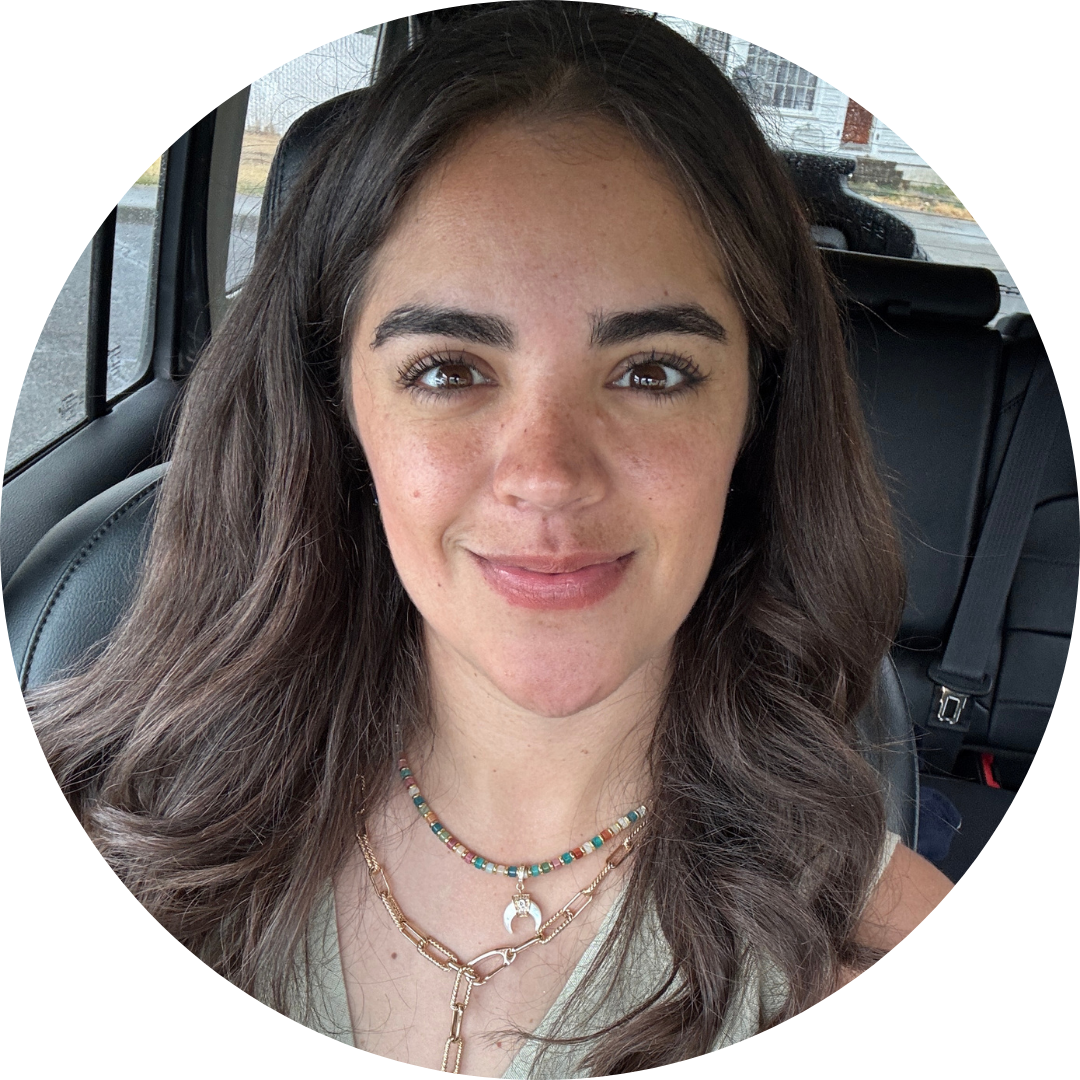
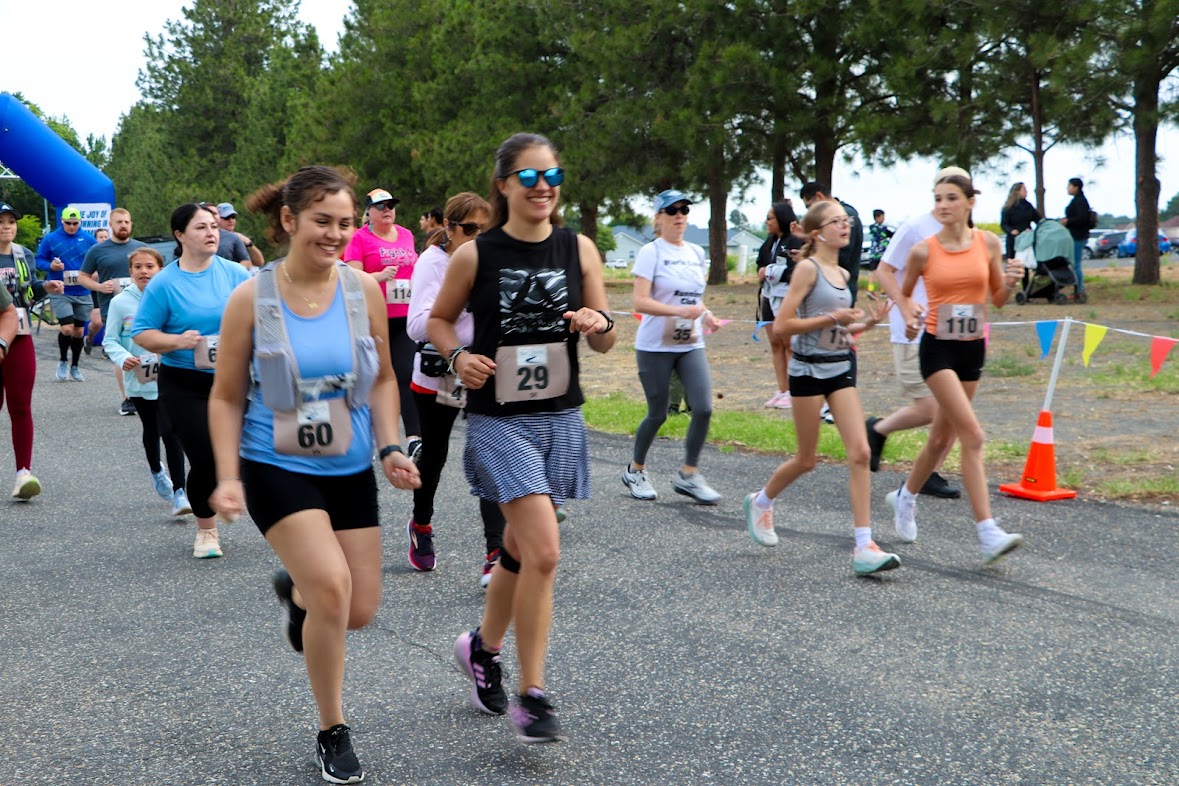
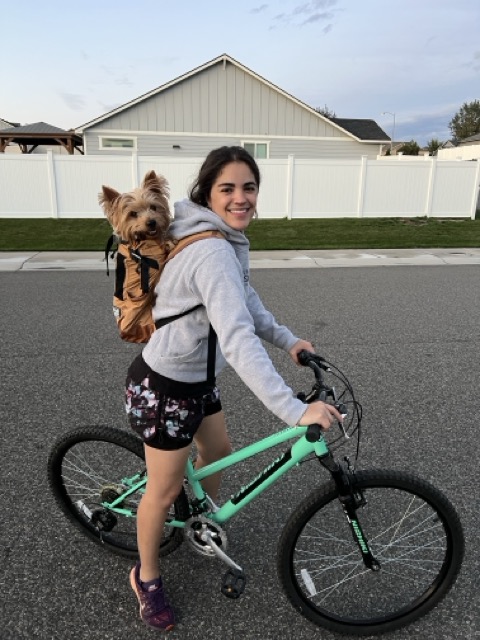
My journey began shifting in 2020 when I was finally diagnosed with hereditary angioedema (HAE) after years of unexplained symptoms. What made my diagnosis even more unusual is that I am a triplet, and also have an older brother, yet there is no history of HAE in my family. My condition is the result of a genetic mutation, something unexpected and difficult to understand at first.
Looking back now, I realize my journey with HAE likely started when I was very young, long before I had the words to understand it. I remember my hands swelling after touching things, and I would simply assume I was allergic to something. Other times, I would have intense stomach pain and say I had a “stomach bug,” never knowing it was actually internal swelling. Over the years, I went through multiple tests for different conditions, searching for answers that never came. When I reached college, the episodes started to become more frequent, but I normalized them, thinking they would just go away in a week like they always seemed to. There was even a period where I became extremely skinny because I was experiencing multiple swelling episodes a day, and still, no one knew what was happening to me. For years, these episodes were dismissed, misunderstood, or normalized because no one knew what was really happening, including me.

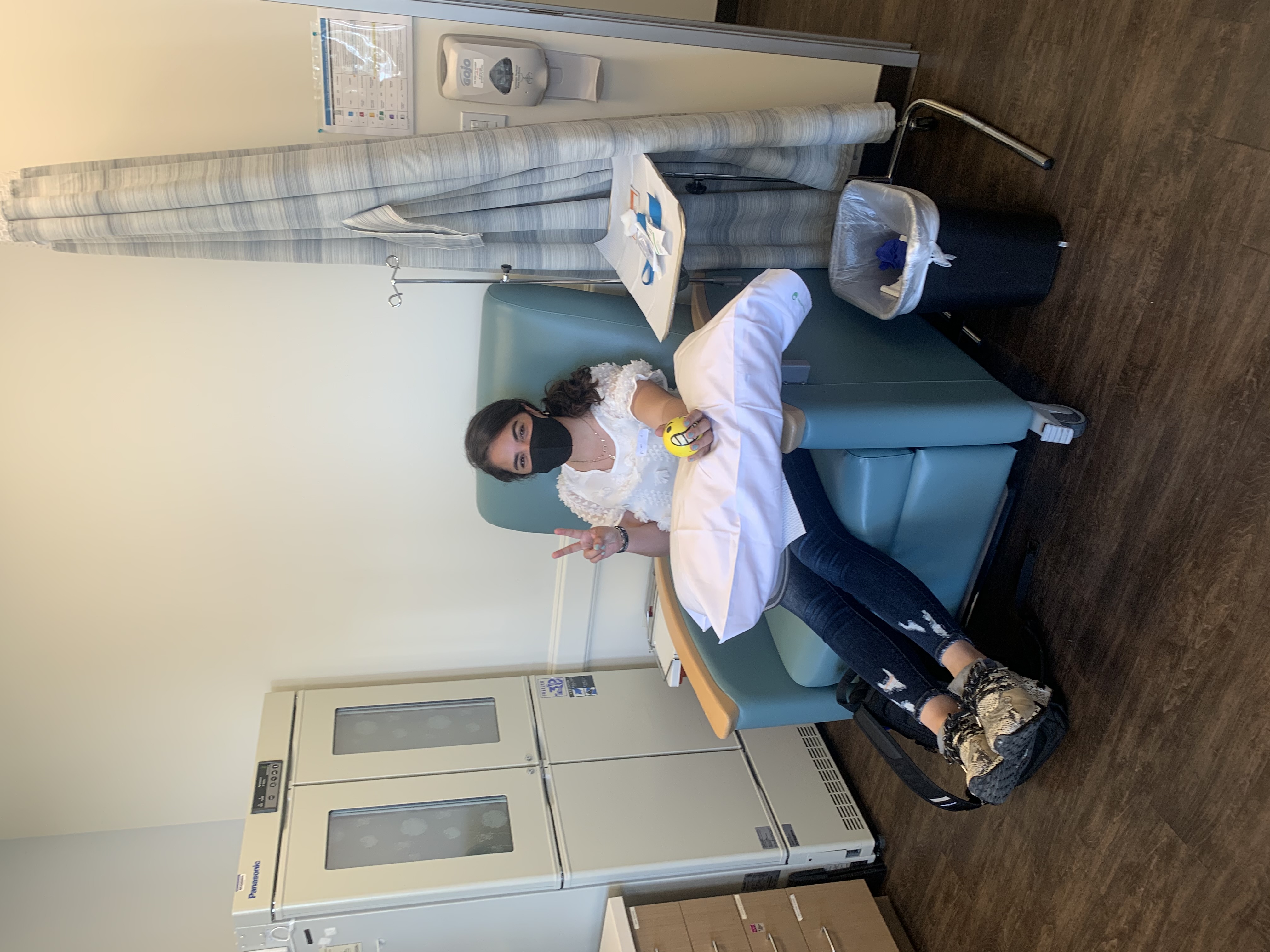
Before my diagnosis, I lived trapped between fear and confusion. I looked healthy, I showed up to life, I pushed through discomfort, but inside, I was terrified of what my body might do next. One of the most critical moments happened when I woke up feeling like I was suffocating. At that point, I didn’t know it was my throat swelling, so I went to urgent care. The doctor had me open my mouth, briefly examined my throat, touched my neck, and quickly concluded it was strep throat. I was sent home with lidocaine. I am deeply thankful I survived, because I truly could have died. I remember being scared, realizing that the more I tried to swallow, the harder it became to breathe. That fear is something I will never forget. The next day, my condition worsened.I began vomiting non-stop and returned for care, only to be sent home again. Shortly after, my hands started swelling, and the swelling began spreading up my arms. I went back yet again, and after multiple visits, I was finally referred to an allergist.
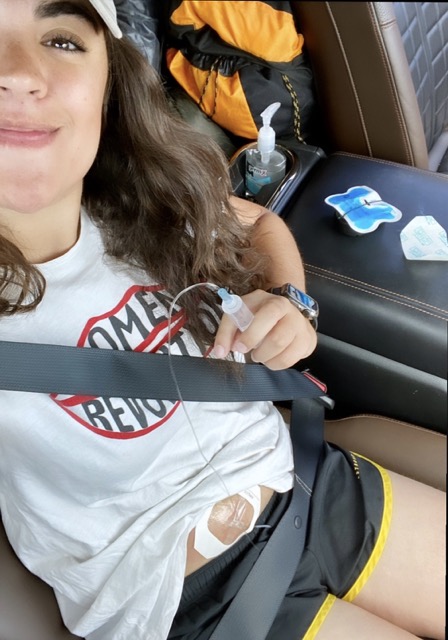
That referral changed everything. I remember telling the allergist that I believed I was dealing with allergies. He looked at me and said, “This is not an allergy.” He immediately ordered blood tests, and when the results came back, they confirmed hereditary angioedema. I also remember him telling me something that stayed with me: an EpiPen would not have saved me. In that moment, everything became real, and I had to learn an entirely new way of living. I had to understand medical terms I had never heard before, learn how to infuse medication, and navigate a condition that felt overwhelming at first. Thankfully, I was surrounded by a doctor who truly understood the condition and by wonderful nurses who supported me through every step of that process. Later, I was introduced to the HAEA, and their advocacy and support have impacted my life in a way that I will never have enough words to fully thank.
The truth is, rare diseases affect far more than the body—they deeply impact mental health. Living with HAE meant carrying a silent anxiety: the uncertainty of the next episode, the fear of not being believed, the constant negotiation between pushing forward and protecting myself. I learned that being strong doesn’t always look like lifting heavy weights or running fast. Sometimes, strength looks like waking up and deciding to face another day even when fear whispers otherwise.
And as I learned more about my rare condition, I began to recognize something bigger: everyone has their own hidden battles. Some carry medical diagnoses like mine. Others struggle with anxiety, depression, trauma, grief, or the weight of trying to appear “okay” when they feel anything but. These mental and emotional challenges deserve as much compassion and awareness as any physical illness.
This truth is one of the reasons IRONMAN 70.3 speaks so deeply to me. On race day, every athlete standing at the starting line carries a story we cannot see. Some trained through heartbreak. Some battled illness. Some used running, cycling, or swimming as their therapy. Some fought their way out of darkness and found purpose in movement. They may not talk about it, but their reasons live in every mile.
And at the finish line, those stories reveal themselves not through words, but through emotion. Some athletes smile with overwhelming pride. Others break down in tears because crossing that line means they overcame something that once felt impossible. Many will look up at the sky, thanking a loved one they wish were still here to witness it. That moment, when physical exhaustion meets emotional release, is what makes it more than a race. It is a collection of human stories overcoming hardship.
My story carries its own grief. In October 2025, I lost my dad, a man whose joy filled every space he entered. He was funny, energetic, bright, and full of life in a way that made everyone around him feel lighter. Losing him left a silence in my heart that I still struggle to put into words. Grief affects mental health in ways you don’t expect: it reshapes your identity, your strengths, your fears, even your hopes.
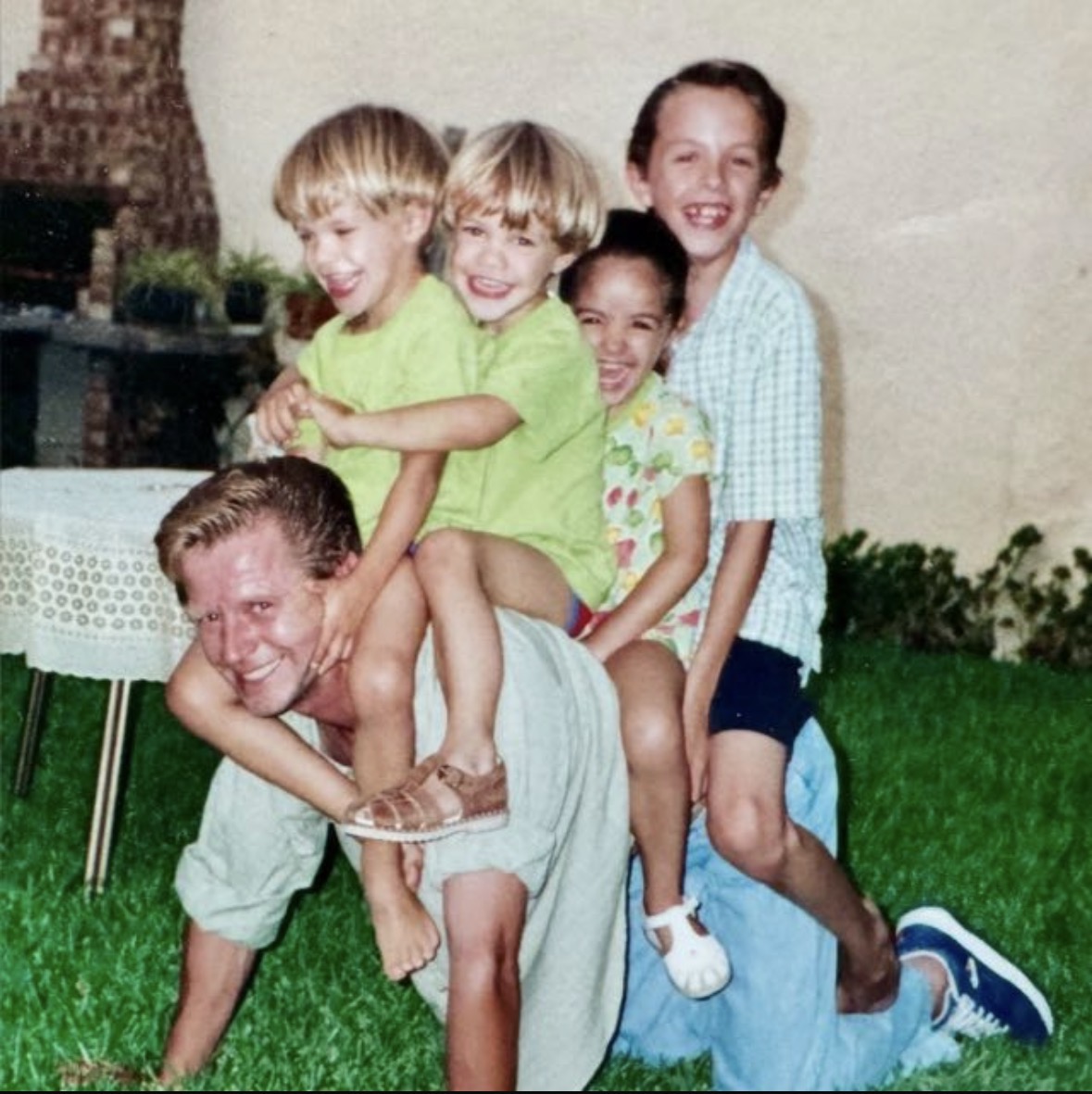

Some days, the emotional weight feels heavier than any physical challenge I could face. But wanting to pursue a race like this, gives me a sense of direction, a reminder that forward motion is still possible. I know that if I ever reach that finish line, I will be one of the people who looks up, smiling and crying at the same time, honoring the person who shaped my courage.
At the same time, I feel deeply motivated to represent something greater than my own journey. Living with a rare disease once felt like a limitation, but today I see it as part of a powerful message: that even with boundaries like HAE, extraordinary things are still possible. Not only because of desire and effort, but also because of the advancements in modern medicine that make it possible to live a regular life while still pursuing ambitious goals. Treatments today have given me stability, confidence, and the opportunity to dream beyond survival.
Earning this opportunity is not only for myself, but for the countless people living with rare diseases like hereditary angioedema, for those battling mental health challenges in silence, and for those who feel unseen in their struggles. I want to use my story to remind others that you never know what someone is carrying. You never know the battles behind their smile. And you never know how much strength exists in someone who refuses to give up even when life tests them deeply.
Are you interested in sharing your story? The HAEA Community Blog wants to hear from you! Get started here.