The Privilege of Being a Caregiver

March 4th 2026 | 5 minute read
{{AUTHOR NAME}}
Sage Hines
{{IMAGE NAME}}
As a kid I wasn't surrounded with family members that had medical issues, my family was generally healthy. Saying this, I never was put in the position to have to take care of someone at any capacity. Little did I know that in my teens and early adulthood this would soon be changing.

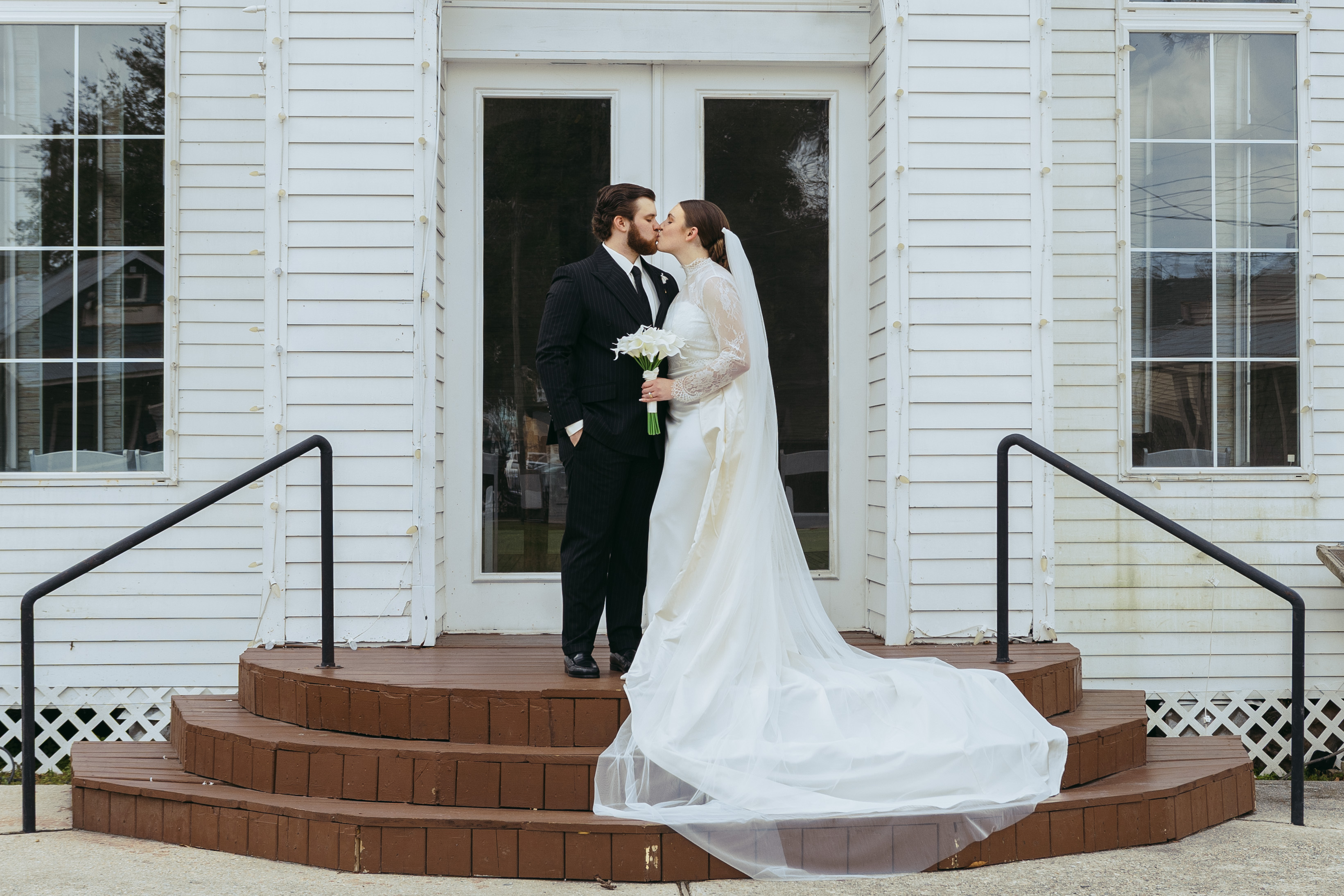
My name is Sage, and I am caregiver to my wife, Carlie.

To give a little backstory, I was seven years old when I met Carlie and learned about Hereditary Angioedema (HAE) and we’ve been friends ever since then. I was just a kid, so her having a rare disease wasn’t something that crossed my mind very often. Although I do slightly remember moments of her being sick and having attacks, I wasn’t yet in the position of a caregiver. But as I was entering my later teens, this all started to change.
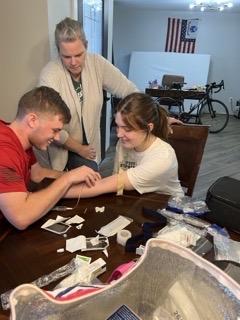
In 2023, our church went on a mission trip to Guatemala which is when I took my big step into being a caregiver. About a week before we left, I was asked if I would learn how to administer Carlie’s intravenous rescue medication. Of course I said yes. I then watched as Carlie’s mom taught me the steps. After she did, I practiced a couple times without sticking Carlie with a needle and asking any questions I had along the way. I then was given one try to make sure I can find the vein and draw blood. It started a little rough trying not to blow the vein or cause any pain to Carlie, after a few short moments I found it and was able to draw a little blood into the tube.

Thankfully, Carlie did not have any attacks while we were in Guatemala, but I was glad I knew how to help, just in case she did. Some would view this as a burden to hold this responsibility during the trip, but I viewed it as a privilege to be the one who could help her. It made me feel special to hold that responsibility.
row_image1
row_image1
Fast forward to 2025, we got engaged. This is when I became more than just someone who could help “in case of an emergency,” but someone who was there to help on a day to day basis, despite how big or small the task was. In February of 2026, we got married, and I do not take the titles of "husband" or “caregiver” lightly. I can’t be one without the other.

Some people may think you are only a caregiver in the event of an attack, but you hold the title of a caregiver 24/7. It’s not only caring for them when they are swelling, but doing everything you can to help prevent those attacks (whether they realize it or not). While we all know attacks aren’t always preventable or even predictable, we can help in the little things.

Every person with HAE is different and has different habits, and it is important to learn everything about that person.

Here are a few practical ways that may seem small, but go a long way for taking care of your person with HAE:

  • Make sure they order their medicine

  • Make sure they unpackage their medicine (or just do it for them)

  • Make sure they take their medicine


Yes …. In this exact order!
Aside from making sure they are staying on top of their meds, taking care of their well-being is just as important. It’s vital to understand that we all can get burnt out and exhausted. When those with HAE get burnt out and exhausted, they are more likely to get sick or have an attack.

As a caregiver, it is important to realize when your person needs a break or when they need to step away. This may mean being a little less active, not attending that one extra event, and just taking some time to rest. Not only just to prevent an attack, but also to prevent getting sick, which could potentially lead to an attack. Helping their body to not work overtime is vital in caring for their emotional and physical well-being.
On the other side, a caregiver must know how strong people with HAE are. Your goal is not to keep them from doing what they love, but to help them live beyond HAE. It is about learning that sometimes they may need to slow down, and that’s okay. Help cook dinner, clean up the house, do some extra tasks that may take the load off so they can do what they love!

Doing these tiny mundane tasks (like house chores) can help those with HAE be more present in the things that matter most, like spending time with their family, kids, and loved ones.

Being a caregiver may look slightly different for everyone, but it is one of the most important jobs. I never view it as a burden, and wouldn't change a single thing. It’s important to remind your person with HAE of this:They are not a burden. They are strong. They are resilient. It is a privilege to care for a person with HAE. To all the caregivers out there, everything you do from helping them take their meds, to the way you love them, impacts them - and is vital!

Thank you to the HAEA for helping support people with HAE and the caregivers out there!
row_image1
Are you interested in sharing your story? The HAEA Community Blog wants to hear from you! Get started here.