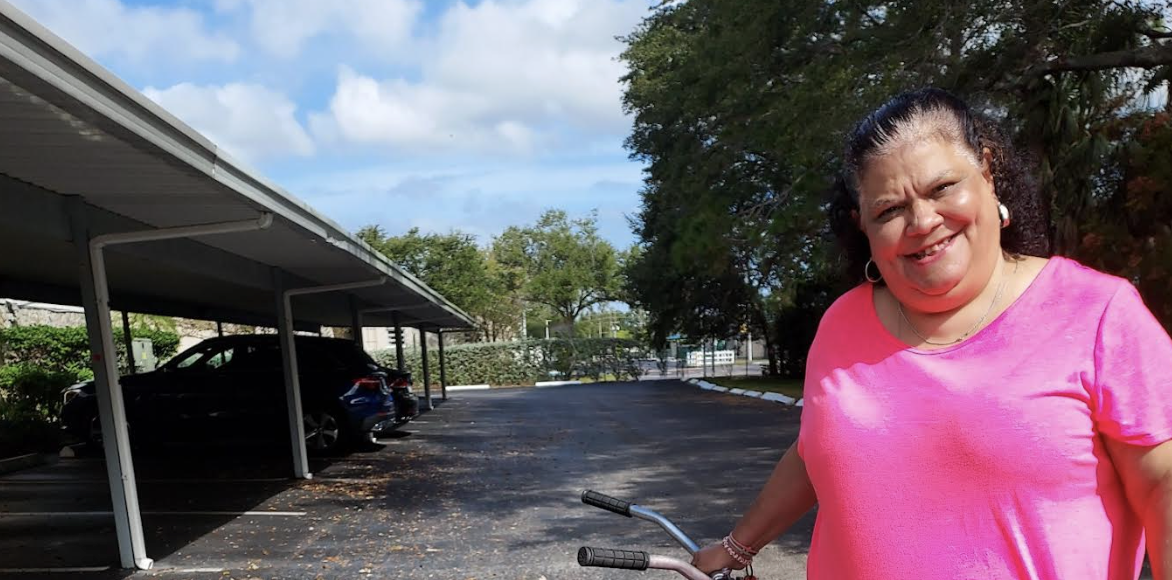
Hear from Diane, an individual with Hereditary Angioedema, who has battled many years with understanding what she was dealing with. The constant attacks and ER visits were debilitating and no treatments seemed to work. It wasn’t until she was offered the opportunity by a doctor to see a specialist at the Brigham Women's Hospital in Boston where she was given an accurate diagnosis of HAE.
I have been living with HAE for most of my life, but wasn’t diagnosed until my adult years. When I was a child, I went many times to the ER with my parents, and the medical professionals had no understanding of my symptoms. The frequency of the ER visits continued throughout the years, resulting in steroids, different combinations of medication, and, of course, Benadryl.
I was offered the opportunity by a doctor to see a specialist at the Brigham Women's Hospital in Boston. Finally, the specialist there gave me an accurate diagnosis of Hereditary Angioedema. At that moment, there was recognition and confirmation of this disorder. It explained the many ER visits for the unusual swelling of my hands, feet, facial swelling, and stomach swelling.
I have Type 1 Hereditary Angioedema and although I was diagnosed in 1995, I still have not encountered many professionals who know much about HAE. I have tried several medications, but finally found the one that has drastically decreased my attacks. Thanks to the research and advancements within the Hereditary Angioedema Association, I have so much more freedom from swelling.
I have participated in several studies for Hereditary Angioedema to support research advancement. I've also been to the US HAEA Summit in Colorado several years ago, which was so fascinating to know then that there were so many different options of medication. I love participating in group discussions and chatrooms with other patients and families to gain insight.

Aside from finding the medication that works best for you, the key to managing your attacks is managing your stress levels. I know you are probably rolling your eyes right about now. It’s very hard to achieve, yes, but I have learned there are many different ways to manage it.
You can be proactive in your self-care, become an advocate, educate yourself more and more about HAE, but most of all, accept it and get involved with things you find joy in. It’s great to find your passions and get involved despite this challenging blood disorder. For me, I find joy in helping others. Right now I volunteer at a church pantry four times a month to feed the homeless.
Another big tip is to get involved in the HAEA and meet others who live with this condition. Finally meeting others with Hereditary Angioedema has helped me exponentially knowing that I am not alone. When I went to the summit in Denver, Colorado, I went in thinking I was the only one who experienced pain and had the worst circumstances. It wasn’t until I met others and entire families that suffered the same things I did, but were experiencing the fullness of life, that I had seen hope and a light.
The efforts of our medical professionals, partners, and advocates in congress are bringing Awareness of Hereditary Angioedema more than ever. Everyone needs to know more information and have a better understanding of Hereditary Angioedema.
We have made a lot of progress, but we still have a long way to go and I am thankful to be part of it!
Are you interested in sharing your story? The HAEA Community Blog wants to hear from you! Get started here.